Selling your home can be tricky, especially in a busy place like Florida. Whether it’s your first time selling or you’ve done it before, knowing how the process works is important for a smooth sale. This guide will help you through each step, explaining what makes selling a home in Florida different. From planning your timeline to closing the deal, we’re here to help you every step of the way.
The Importance of a Clear Timeline
The first step to selling your home is to create a clear timeline. Planning ahead helps you hit important goals and reduces stress. Start by figuring out when you want to list your home, then plan backward from that date. Don’t forget to include time for any repairs or upgrades you need to make, as well as decluttering and staging your home for potential buyers.
Having a timeline keeps you organized and prevents you from rushing through important steps. It also allows you to adjust your plan if unexpected issues come up. A thoughtful timeline can make the selling process go smoothly instead of being chaotic.
Consider using a digital calendar or a project management app to keep track of your progress. This way, you can easily share your timeline with family members or professionals involved in the sale, like your real estate agent and contractors.
Choosing the Right Real Estate Agent
When you’re selling your home, having a knowledgeable real estate agent is super helpful. Florida’s real estate market can be pretty competitive, so having an expert on your side can really make a difference. A good agent knows the local market, can help you set a fair price for your home, and knows how to market it to attract buyers.
When picking an agent, try to find someone who has experience in your neighborhood. Look for someone with a solid history of successful sales and who communicates clearly. Don’t be shy about asking for references or reviews from past clients to make sure you’re choosing the right person.
Your agent will take care of many of the tricky details involved in selling your home, like setting up showings and negotiating offers. This way, you can focus on getting your home ready and planning your next steps.
Upgrading Wisely

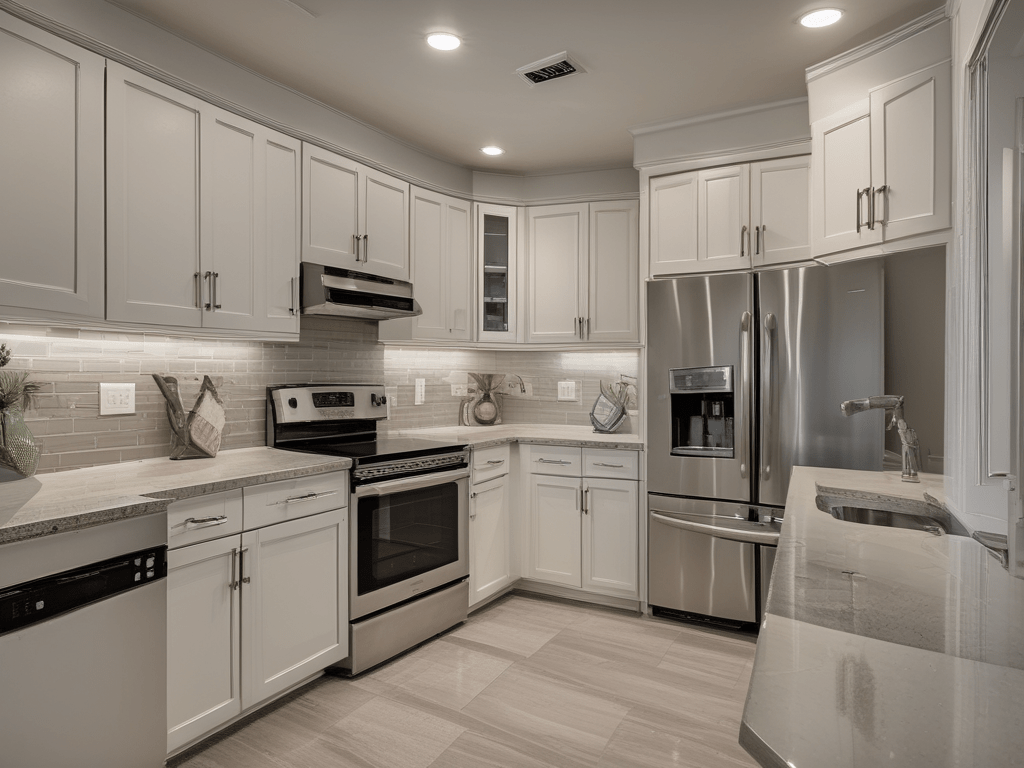
Before listing your home, it’s essential to identify which upgrades will truly enhance its value. Preparing your home for sale involves knowing where to invest wisely. Focus on updates that capture buyers’ attention, such as modernizing kitchen appliances, painting walls in neutral tones, or replacing outdated fixtures. Consulting with your real estate agent can provide insights into which improvements offer the best return on investment. For instance, while adding a hot tub may seem appealing, it could limit your buyer pool; instead, opt for upgrades that attract a broader audience.
The objective is to make your home appealing while maximizing your profits. By selecting upgrades carefully, you can strike the perfect balance.
Additionally, maintaining a clean and organized home significantly influences how buyers perceive it upon arrival. Decluttering creates a sense of space and helps potential buyers envision themselves living in your home. Start by removing personal items like family photos and knickknacks, and ensure everything is spotless. If you have belongings you won’t need immediately, consider renting a storage unit to keep your home tidy and organized during showings.
Don’t overlook the importance of organizing your closets and cabinets; many buyers seek ample storage space! If this task feels overwhelming, hiring a professional organizer can provide valuable tips to streamline the process.
Setting the Right Price

Setting the right price for your home is crucial. It’s not just about attracting buyers; it’s also about securing the best possible profit for your investment. To achieve this, start by conducting thorough research on comparable homes—often referred to as “comps”—in your area. For example, if similar homes in your neighborhood with three bedrooms and two bathrooms are selling for around $350,000, pricing your home too far above that could deter potential buyers.
Collaborating closely with your real estate agent is essential in determining a competitive price. Your agent can provide insights into the local market trends and help you analyze key factors such as location, the condition of your home, and recent sales data. For instance, if your home is located in a desirable school district or has been recently renovated, these attributes could justify a higher price point.
It’s important to strike a balance when pricing your home. Setting the price too high can lead to extended time on the market, which might create a perception that something is wrong with the property. For example, a home listed at $400,000 in an area where comparable homes are selling for $350,000 may sit unsold for months, forcing the seller to lower the price later. On the other hand, pricing it too low might result in quick offers but could mean you miss out on potential profits. For instance, a seller who lists their home at $320,000 in a hot market may find themselves leaving money on the table if similar homes are selling for much more.
It’s essential to find that sweet spot, and your agent can assist you in analyzing market data to develop a pricing strategy that helps your home stand out among similar listings. By taking a strategic approach, considering the market, and leveraging your agent’s expertise, you can position your home for a successful sale while maximizing your return.
Stunning Photos Make a Difference
High-quality, professional photos are key to making your home shine online. Nowadays, most buyers kick off their search on the internet, so those first impressions really matter. It’s worth hiring a talented photographer to highlight your home’s best features.
Before the photoshoot, make sure your home is staged nicely and filled with natural light. Show off unique architectural details, spacious rooms, and welcoming outdoor spaces to catch the eye of potential buyers. You might also think about creating a virtual tour to boost your online presence.
Great photos not only attract more buyers but can also increase how much your home is valued!
The Power of Online Appeal
Having a strong online presence is key to grabbing the attention of potential buyers. Use popular real estate sites like Zillow, Realtor.com, and Redfin to list your property. Make sure your listing has a detailed description, great photos, and highlights any unique features that make your home stand out.
Social media platforms like Facebook and Instagram can also be super effective for promoting your home. Share your listing with friends and family, and ask them to help spread the word.
Think about teaming up with your agent to create a solid marketing strategy that maximizes exposure and attracts serious buyers.
Verifying Buyer Qualifications
It’s super important to make sure buyers are pre-approved and have proof of funds, especially if you’re thinking about selling your home as a For Sale By Owner (FSBO). A pre-approved buyer is way more likely to go through with the deal, which helps reduce the chances of the sale falling apart.
Your agent will help check buyer qualifications, so you don’t waste time on those who aren’t a good fit. They’ll also take care of communication with lenders and make sure all the paperwork is in order.
By focusing on qualified buyers, you boost your chances of having a smooth and successful sale.
Flexibility with Showings
Being flexible with showings is crucial for attracting potential buyers. By accommodating different schedules, you boost your chances of finding the right buyer quickly. Team up with your agent to set up a showing calendar that gives plenty of opportunities for interested folks to check out your home.
Consider stepping out during showings to let buyers explore at their own pace without feeling rushed. If you can, ask a trusted friend or family member to take care of your pets or take them for a walk during that time.
Just remember, being accommodating can lead to more offers and a quicker sale!
Offer Evaluation and Negotiation
Reviewing and negotiating offers is a key part of selling your home. Take your time to evaluate each offer with your agent, looking at things like price, contingencies, and closing timelines. If you think there’s room for improvement, don’t hesitate to make a counteroffer!
Your agent is there to help you navigate the negotiations and get the best deal possible. Their know-how in handling multiple offers and understanding the market is a big plus at this stage. Once you’ve reached an agreement, it’s important to act quickly and professionally to keep the buyer interested and the momentum going.
Calculating Closing Costs and Taxes
Getting a grip on your financial responsibilities at closing is key to avoiding any surprises. Team up with your agent and attorney to figure out closing costs, like title fees, transfer taxes, and any outstanding liens. Don’t forget to consider possible tax implications, like capital gains tax, if it applies.
Knowing what you’re financially on the hook for will help make the closing process smoother and let you plan for any expenses. Your agent can give you a detailed breakdown of costs to help you budget.
Being financially prepared will make your move to your new home easy and stress-free!

Navigating Inspections and Appraisals
During the inspection, be ready for any findings that could affect the sale. Tackling issues quickly and openly will help keep buyer confidence high. Your agent will guide you on which repairs are necessary and how to negotiate with buyers if they ask for additional concessions.
The appraisal is another important part of selling your home. A solid appraisal is key for the buyer’s lender to finance the purchase. If your home’s appraisal comes in lower than you hoped, team up with your agent to sort out any discrepancies and look at possible solutions.
Getting a handle on these processes can help you avoid setbacks and keep the sale moving smoothly.
Selecting a Reliable Title Company
Picking a good title company is super important for a smooth closing. A trustworthy title company will do a thorough title search to make sure the property is free of any liens or legal issues. This step is key to avoiding delays or complications during closing.
Team up with your agent to find a title company with a solid reputation and a history of successful deals. Their know-how will help you wrap up the sale quickly and easily.
Remember, having a clean title is essential for transferring ownership to the buyer without a hitch!
Finalizing the Sale and Transfer
Once you’ve accepted an offer and taken care of all the necessary contingencies, it’s time to wrap up the sale. Get ready for the buyer’s final walkthrough by making sure your home is clean and all the agreed-upon repairs are done.
During closing, you’ll sign the final documents and transfer ownership to the buyer. Make sure to work closely with your agent, attorney, and title company to keep all the paperwork accurate and complete.
After everything is finalized, plan your move-out date and details to make the transition to your new home as smooth as possible.
Conclusion
Selling a home in Florida requires careful planning, strategic decision-making, and a thorough understanding of the home selling process. By following the steps outlined in this guide, you’ll be well-equipped to successfully sell your home, whether you’re a first-time seller or a seasoned pro.
Remember, preparation and flexibility are key to achieving the best outcome. Don’t hesitate to seek professional guidance throughout the process to ensure a seamless experience.
For personalized assistance and more tips on selling your home, reach out to us today. Our team is here to help you every step of the way.
